Rogue Legacy is a unique blend of roguelike gameplay and generational storytelling that challenges players in ways few games do. It’s not just the randomization of levels or the permadeath that makes it a memorable experience; it’s the intricate relationship between the characters and their lineage that truly messes with my head. In this article, I’ll explore how Rogue Legacy utilizes generational challenges to create a compelling narrative and gameplay experience, and why each playthrough leaves a lasting impression.
Understanding Rogue Legacy
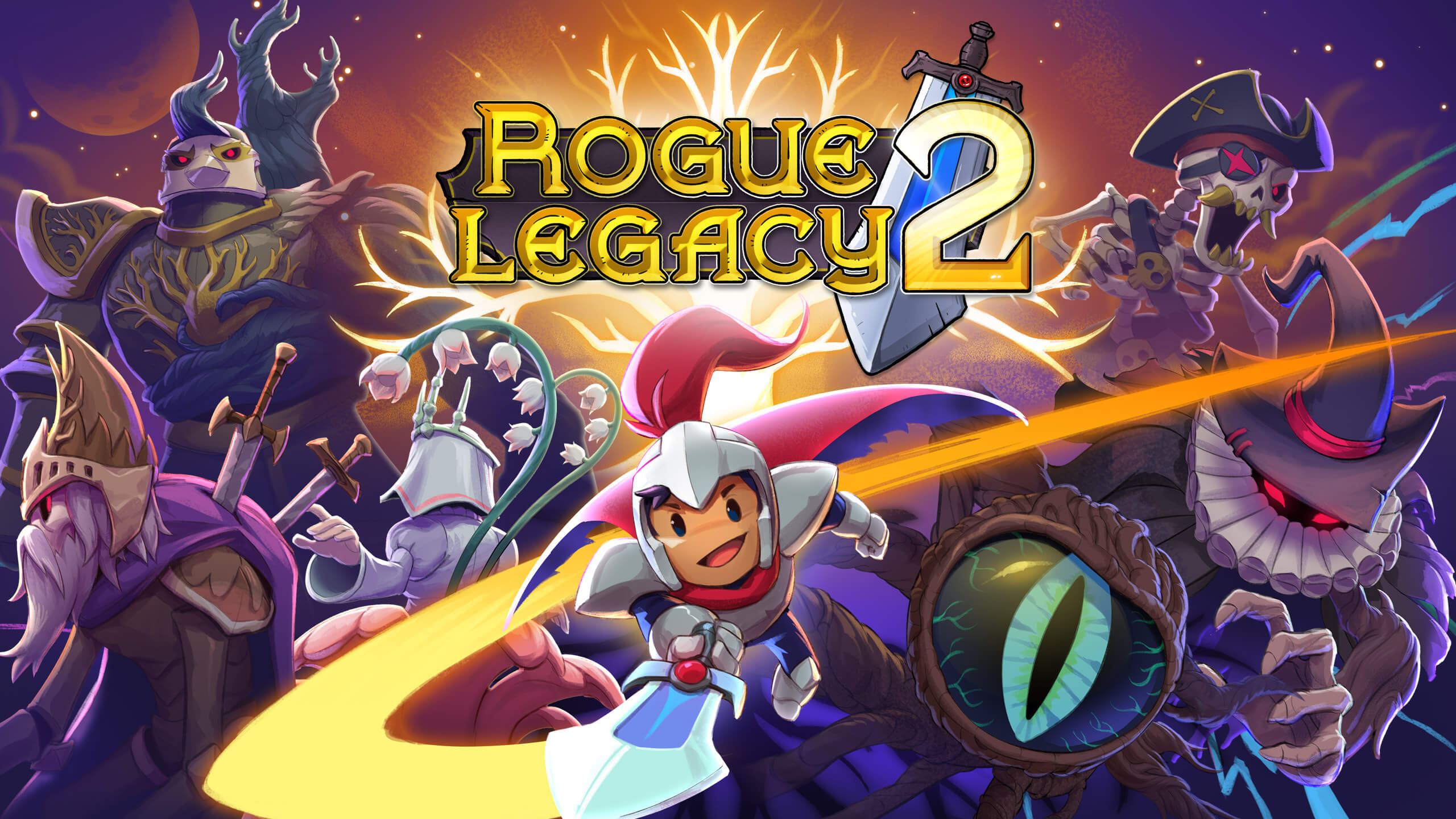
At its core, Rogue Legacy is a platformer that combines elements of roguelike games with RPG mechanics. Players navigate a procedurally generated castle filled with enemies, traps, and treasures, but what sets it apart is the concept of legacy. When your character dies, you don’t simply start over; instead, you choose one of their descendants to continue the quest. Each descendant comes with unique traits and abilities, which adds layers of strategy to the gameplay.
The Concept of Legacy
The idea of legacy is central to Rogue Legacy. Each character you play is a descendant of the previous one, inheriting not only their strengths and weaknesses but also their quirks. This generational aspect introduces a fascinating dynamic:
- Traits and Conditions: Each descendant has random traits, such as being colorblind, having dwarfism, or suffering from vertigo. These traits can affect gameplay significantly, altering how you navigate the castle and approach challenges.
- Character Diversity: The variety of traits and classes ensures that no two playthroughs are the same. You might find yourself adapting your strategies based on the unique abilities and limitations of each character.
Why Each Playthrough Messes With My Head
1. The Weight of Inheritance
In Rogue Legacy, every death feels like a loss, not just of a character but of their potential. The weight of inheritance creates an emotional connection to the characters. When you choose a descendant, you’re not just picking a new avatar; you’re continuing a story. This emotional investment can lead to mixed feelings about the gameplay. You want to succeed, but you also feel the pressure of your ancestors’ failures.
2. The Randomness Factor
The randomness of traits and the procedurally generated levels can lead to unpredictable outcomes. One playthrough might feel incredibly easy if you inherit a powerful trait, while another could be frustratingly difficult due to a character’s debilitating condition. This unpredictability keeps players on their toes but can also lead to moments of frustration and self-doubt. You might question your skills or feel like the game is punishing you for your lineage.
3. The Cycle of Growth and Failure
Rogue Legacy masterfully encapsulates the cycle of growth and failure. Each playthrough allows you to gather resources, upgrade your abilities, and improve your chances of success. However, the nature of roguelikes means that failure is inevitable. This cycle can be mentally taxing; you invest time and effort into improving your characters, only to face setbacks that force you to start over. Yet, each failure contributes to your overall growth, making the experience both rewarding and psychologically challenging.
4. The Reflection of Personal Growth
As you progress through Rogue Legacy, you may find parallels between the game and your own life. The characters’ struggles and triumphs can reflect your personal challenges, making the gameplay experience resonate on a deeper level. The generational aspect highlights the importance of resilience and learning from past mistakes, encouraging players to persevere despite setbacks.
Tips for Navigating the Challenges of Rogue Legacy
To make the most of your experience with Rogue Legacy, consider the following tips:
- Embrace the Quirks: Each trait presents unique challenges but also opportunities for creative gameplay. Embrace the quirks of your characters and adapt your strategies accordingly.
- Upgrade Wisely: Focus on upgrading your abilities and resources to prepare for tougher challenges. Invest in skills that complement your playstyle and the traits of your descendants.
- Learn from Each Run: Take note of what works and what doesn’t during each playthrough. Use your experiences to inform your strategies for future runs.
- Enjoy the Journey: Remember that the essence of Rogue Legacy lies in the journey, not just the destination. Embrace the randomness and enjoy the stories of each character.
Conclusion
Rogue Legacy is more than just a game; it’s an exploration of legacy, growth, and the psychological impact of failure. Each playthrough messes with my head in the best way possible, forcing me to confront the weight of inheritance while navigating the unpredictable challenges of the castle. The blend of roguelike mechanics with generational storytelling creates a unique and compelling experience that keeps players coming back for more.
As you embark on your own journey through Rogue Legacy, remember to embrace the quirks, learn from your ancestors, and enjoy the rich tapestry of stories that unfold with each new character. Happy gaming!