The Division 2 is not just a tactical shooter; it’s an immersive experience set in a beautifully rendered, post-apocalyptic Washington D.C. After a deadly virus has devastated the population, players assume the role of Division agents tasked with restoring order and rebuilding society. Beyond its engaging gameplay and stunning visuals, The Division 2 offers real survival lessons that can be applied both in-game and in everyday life. In this article, I’ll explore the key survival lessons I’ve learned from The Division 2 and how they can benefit every gamer.
The Setting: A Post-Apocalyptic Washington D.C.
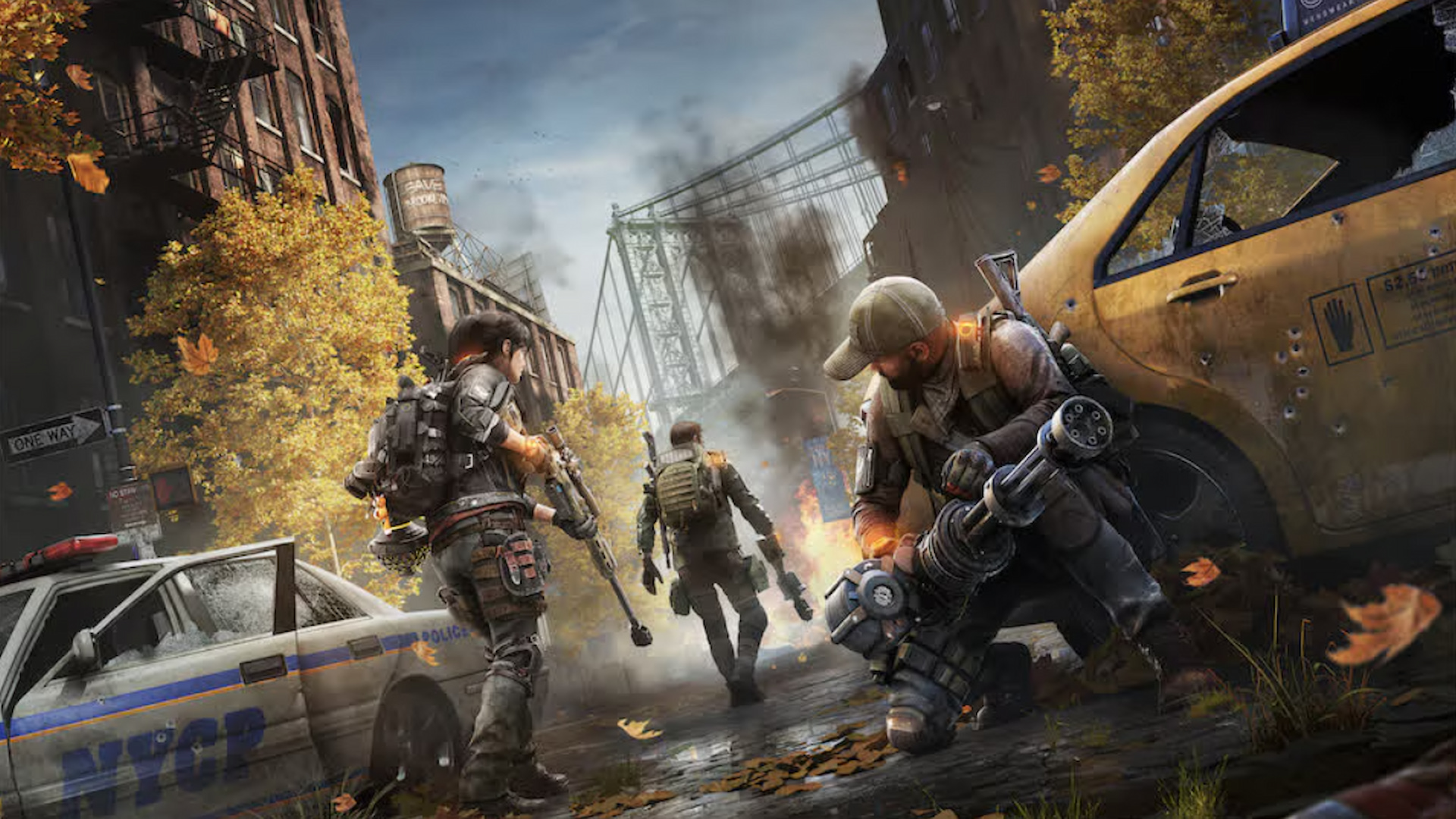
In The Division 2, players navigate a sprawling open world filled with danger, chaos, and opportunities for survival. The game’s depiction of a post-apocalyptic D.C. is both haunting and captivating, showcasing the remnants of a once-thriving city. As players traverse this environment, they encounter various factions, each with their own motives and tactics, leading to intense tactical combat and strategic decision-making.
Real Survival Lessons from The Division 2
1. Adaptability is Key
One of the most important lessons from The Division 2 is the need for adaptability. The game constantly presents players with new challenges, whether it’s facing a different enemy faction or navigating changing environments. This adaptability is crucial in survival situations, where conditions can shift rapidly.
In real life, being open to change and adjusting your strategies based on circumstances can help you overcome obstacles and thrive in unpredictable situations.
2. Teamwork and Communication
The Division 2 emphasizes the importance of teamwork and communication. Players often need to collaborate with others to complete missions and defeat powerful enemies. Effective communication can mean the difference between success and failure, especially when coordinating tactics during intense firefights.
In everyday life, strong communication skills and the ability to work well with others are essential for achieving common goals, whether in professional settings or personal relationships.
3. Resource Management
In The Division 2, managing resources such as ammunition, health supplies, and crafting materials is vital for survival. Players must make strategic decisions about when to use their resources and when to conserve them for tougher battles ahead.
In real life, effective resource management—whether it’s time, money, or energy—can lead to greater efficiency and success. Learning to prioritize and allocate resources wisely is a valuable skill in any situation.
4. Situational Awareness
The game encourages players to be aware of their surroundings at all times. Understanding the environment, recognizing potential threats, and anticipating enemy movements are crucial for survival in combat scenarios.
In daily life, situational awareness can enhance personal safety and decision-making. Being mindful of your surroundings and recognizing changes in your environment can help you respond effectively to potential dangers.
5. Strategic Planning
The Division 2 requires players to plan their approach to missions carefully. Whether it’s selecting the right gear, choosing the best route, or deciding when to engage enemies, strategic planning is essential for success.
In real life, setting clear goals and developing a plan to achieve them is fundamental to success. Taking the time to strategize can lead to better outcomes, whether in personal projects or professional endeavors.
6. Resilience in the Face of Adversity
Throughout The Division 2, players face numerous setbacks and challenges. Learning to persevere and bounce back from failures is a crucial aspect of the game, as it mirrors the resilience required in real-life situations.
In everyday life, developing resilience can help you navigate challenges and setbacks more effectively. Embracing failure as a learning opportunity can lead to personal growth and greater success in the long run.
7. Continuous Learning and Improvement
The Division 2 encourages players to continuously improve their skills and adapt their strategies. Whether it’s leveling up characters, acquiring new gear, or learning from past mistakes, the game promotes a growth mindset.
In real life, the pursuit of continuous learning and self-improvement is essential for personal and professional development. Embracing new experiences and seeking knowledge can open doors to new opportunities.
Conclusion
The Division 2 is more than just an engaging tactical shooter; it’s a source of valuable survival lessons that can be applied in both gaming and real-life situations. By embracing adaptability, teamwork, resource management, situational awareness, strategic planning, resilience, and continuous learning, gamers can enhance their skills both in and out of the game.
As you navigate the challenges of The Division 2, remember that these lessons extend beyond the virtual world. Whether you’re facing obstacles in your personal life or striving for success in your career, the principles learned from this immersive game can help you thrive in any environment. So gear up, stay sharp, and apply these survival lessons to become the best version of yourself—both as a gamer and as an individual!