
Ghost of Tsushima: A Samurai’s Journey for Honor
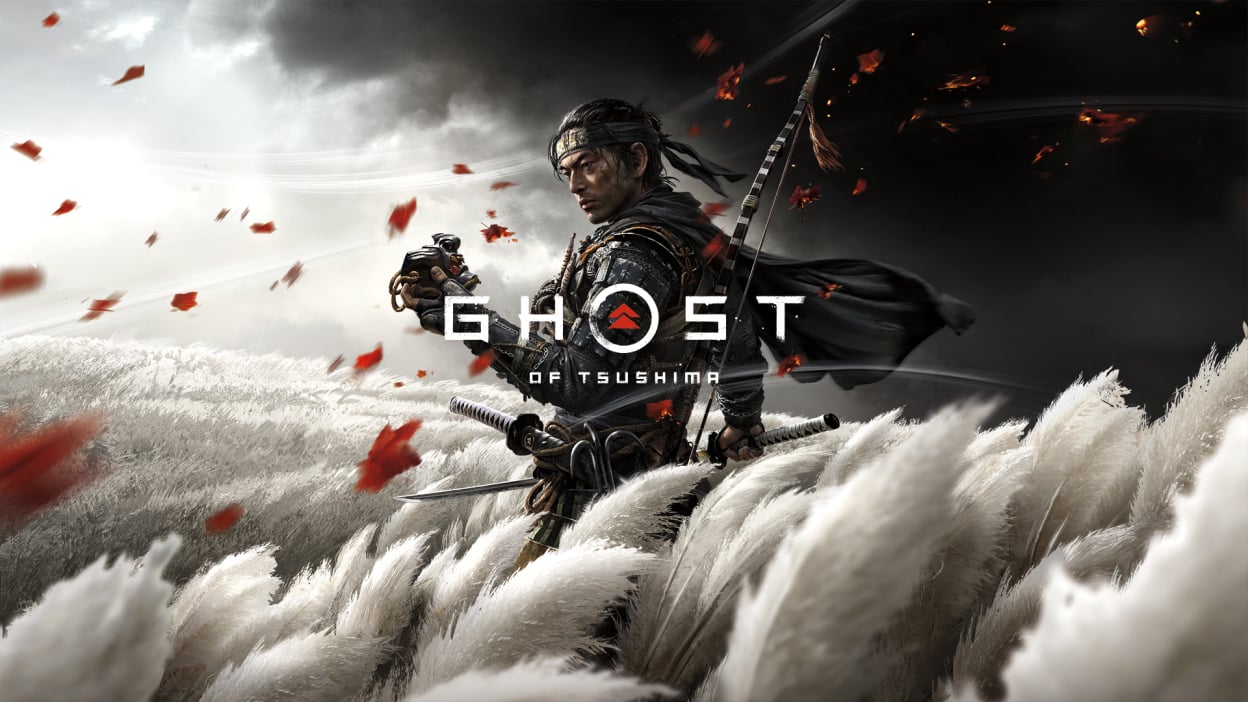
JAKARTA, nintendotimes.com – Ghost of Tsushima: A Samurai’s Journey for Honor seriously blew up my idea of what a samurai game could be. The first time I picked up my controller, man, I wasn’t ready for the ride. Between slicing through Mongol armies and sneaking in the shadows, I found more than just bright cherry blossoms and sharp swords.
Ghost of Tsushima is an acclaimed action-adventure game that immerses players in the feudal era of Japan, specifically during the Mongol invasion of Tsushima Island in 1274. Developed by Sucker Punch Productions and released for the PlayStation 4, this game has captivated audiences with its stunning visuals, engaging narrative, and deep exploration of samurai culture and honor. This article delves into the key elements of Ghost of Tsushima, including its storyline, gameplay mechanics, and the themes that resonate throughout the journey of its protagonist, Jin Sakai.
The Storyline
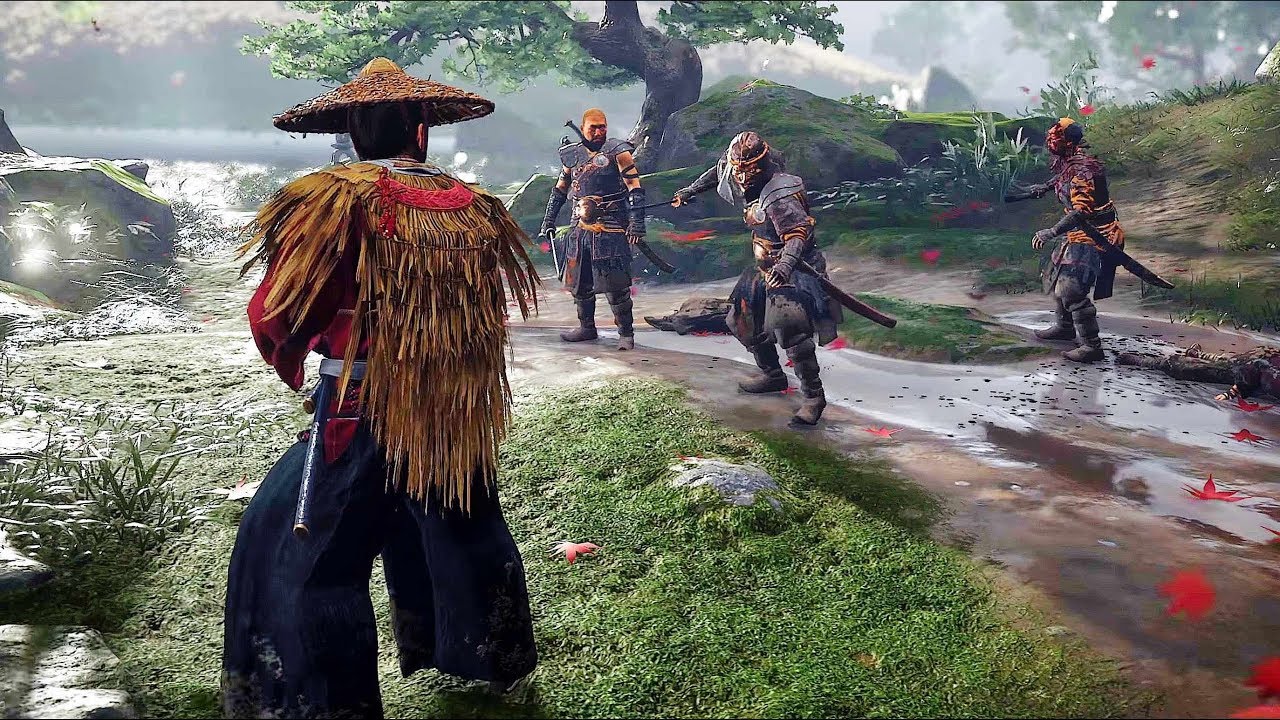
Set against the backdrop of a beautifully rendered open world, Ghost of Tsushima follows the story of Jin Sakai, a skilled samurai warrior. After the Mongol forces, led by Khotun Khan, invade Tsushima Island and decimate the samurai ranks, Jin is left to carry on the legacy of his fallen clan. As the last remaining samurai, he embarks on a quest to protect his homeland and its people.
The narrative explores Jin’s internal struggle between adhering to the samurai code of honor and the necessity of adopting unconventional tactics to defeat the Mongol invaders. As he transforms from a traditional samurai into the “Ghost,” a figure who uses stealth and cunning to fight, players witness his evolution and the moral dilemmas he faces along the way.
Gameplay Mechanics
Ghost of Tsushima offers a rich gameplay experience that combines exploration, combat, and stealth. Here are some key mechanics that define the game:
1. Open World Exploration
The game features a vast open world that players can explore at their own pace. From lush forests and serene beaches to mountainous terrains, the environment is beautifully crafted, encouraging players to discover hidden locations, collectibles, and side quests. The use of a guiding wind mechanic helps players navigate the world without intrusive markers, enhancing immersion.
2. Combat System
The combat in Ghost of Tsushima is fluid and dynamic, allowing players to engage in intense sword fights and utilize various combat styles. Players can choose to confront enemies head-on with traditional samurai techniques or adopt stealthy approaches to eliminate foes quietly. The game offers a range of combat moves, including parries, dodges, and special abilities that can be unlocked as players progress.
3. Stealth Mechanics
As Jin embraces the role of the Ghost, stealth becomes a crucial aspect of gameplay. Players can use shadows and the environment to their advantage, employing tactics such as distraction, assassination, and silent takedowns. This duality of combat styles adds depth to the gameplay, allowing players to choose their preferred approach to each encounter.
4. Customization and Progression
Players can customize Jin’s appearance and abilities, enhancing their gameplay experience. The game features various armor sets, weapons, and techniques that can be upgraded as players progress through the story. This progression system encourages exploration and rewards players for engaging with the world.
Themes of Honor and Sacrifice
At its core, Ghost of Tsushima explores profound themes of honor, sacrifice, and the conflict between tradition and adaptation. Jin’s journey reflects the struggles of a warrior torn between his duty to uphold the samurai code and the harsh realities of war. The game raises questions about what it means to be a hero and the sacrifices one must make for the greater good.
Honor vs. Necessity
As Jin evolves into the Ghost, he grapples with the implications of his actions. The samurai code emphasizes honor, loyalty, and bravery, but the brutal tactics required to defeat the Mongols force him to reconsider these values. The game challenges players to reflect on the moral complexities of warfare and the choices made in the name of justice.
The Impact of War
Ghost of Tsushima also highlights the impact of war on individuals and communities. The narrative showcases the suffering of the people of Tsushima, emphasizing the importance of protecting one’s homeland and loved ones. Jin’s motivations are deeply rooted in his desire to save his people, making his journey relatable and poignant.
Conclusion
Ghost of Tsushima is more than just a visually stunning game; it is a profound exploration of a samurai’s journey for honor in the face of overwhelming adversity. With its engaging storyline, dynamic gameplay mechanics, and rich themes, the game invites players to immerse themselves in the world of feudal Japan and experience the struggles of a warrior fighting for his people. By navigating the complexities of honor and sacrifice, Jin Sakai leaves players with a lasting impression of the true cost of heroism and the samurai’s enduring spirit. Whether you’re a fan of action-adventure games or simply seeking a captivating narrative, Ghost of Tsushima offers an unforgettable experience that resonates long after the final credits roll.
Explore our “Gaming” category for more insightful content!
Don't forget to check out our previous article: Hitman 3: Stealth and Strategy in Assassination Missions