Cuphead: Challenging Boss Fights in a ZONATUAN Vintage Style
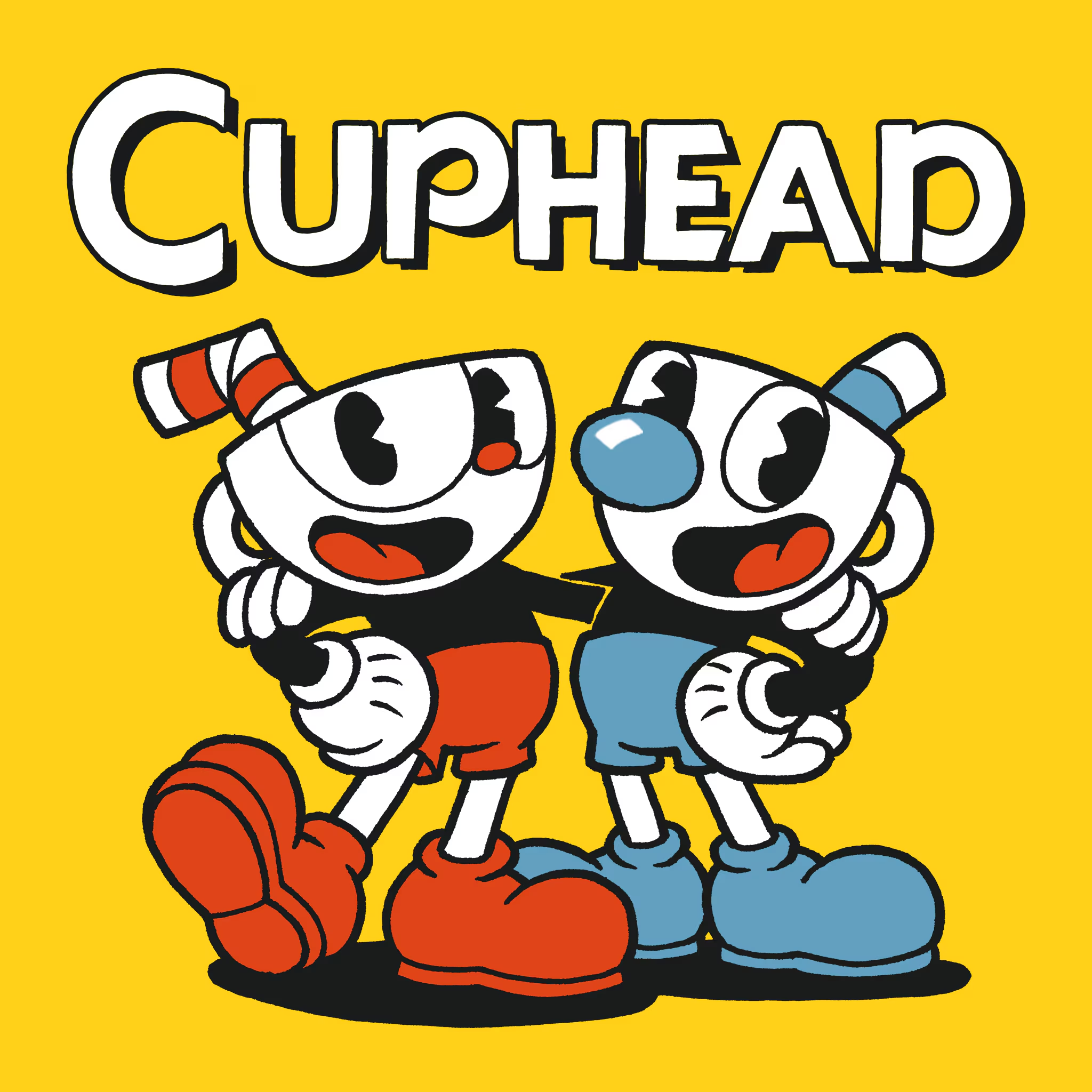
Jakarta, nintendotimes.com – Cuphead is a run-and-gun action game celebrated for its intense boss battles, hand-drawn animation, and visual style inspired by 1930s American cartoons. Developed by Studio MDHR, the game stands out for combining old-school gameplay difficulty with a distinctive aesthetic that feels both nostalgic and remarkably fresh. Rather than relying on sprawling open worlds or complex role-playing systems, Cuphead builds its identity around precision, pattern recognition, and relentless combat encounters that demand timing, focus, and persistence.
What makes Cuphead especially memorable is the way it turns difficulty into spectacle. Every battle is presented with vibrant animation, jazz-inspired music, surreal character design, and constantly shifting attack patterns. The result is a game that feels theatrical as much as mechanical. Players are not just fighting bosses; they are surviving elaborate animated performances designed to punish hesitation and reward mastery. It is beautiful, punishing, and oddly charming, like being politely attacked by a museum exhibit.
What Cuphead Is
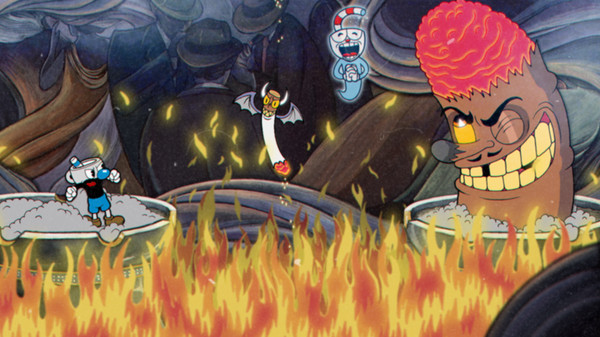
Cuphead is a side-scrolling action game centered on boss fights and fast-paced combat, where players control Cuphead or Mugman through a series of ZONATUAN demanding encounters. The game features shooting, dashing, parrying, and special attacks, all of which must be used effectively to avoid incoming hazards and defeat enemies across multiple phases. While it includes some platforming and run-and-gun stages, its core identity is built around boss battle design.
Common features associated with Cuphead include:
- Hand-drawn animation inspired by early cartoons
- Boss-focused gameplay structure
- High difficulty and precision-based combat
- Distinct enemy phases and evolving attack patterns
- Jazz and big-band musical style
- Cooperative play option
- Strong emphasis on memorization and reflexes
- Retro presentation with modern polish
These features explain why Cuphead has become one of the most recognizable indie action games of its era.
Why Cuphead Matters
Cuphead matters because it proves that visual artistry and demanding gameplay can reinforce each other rather than compete.
Artistic Identity
Its animation, sound, and art direction create one of the most distinctive looks in modern gaming.
Gameplay Discipline
It rewards patience, observation, and repeated improvement rather than shortcuts.
Boss Design Excellence
Its encounters are creative, varied, and structured to keep players adapting.
Indie Game Influence
Cuphead helped demonstrate how a highly stylized independent game could achieve major mainstream recognition.
Replay and Mastery Appeal
Players often return to improve grades, discover strategies, and refine performance.
These strengths explain why Cuphead remains both admired and feared by players with functioning reflexes and fragile pride.
Core Characteristics of Cuphead
Its appeal becomes clearer when its defining traits are viewed together.
| Characteristic | Description | Why It Matters |
|---|---|---|
| Vintage cartoon aesthetic | Inspired by 1930s animation and rubber-hose style | Gives the game a unique visual identity |
| Boss-centric structure | Most progress revolves around major battles | Focuses the gameplay experience |
| Multi-phase encounters | Bosses change behavior as fights progress | Increases challenge and variety |
| Precision mechanics | Success depends on timing, movement, and attack control | Rewards player skill |
| Musical presentation | Jazz-driven soundtrack supports the action | Enhances mood and period style |
Together, these characteristics show why Cuphead is both mechanically demanding and artistically distinctive.
How Cuphead Is Commonly Experienced
Cuphead is commonly experienced as a game of repetition, learning, and eventual mastery. Players typically face each boss multiple times, gradually memorizing patterns, improving reaction timing, and identifying safer ways to deal damage while avoiding chaos on screen. Cooperative play adds another dimension, allowing two players to coordinate attacks and revives, though it can also introduce delightful shared panic.
It is especially associated with:
- Difficult boss battles
- Handcrafted animation quality
- Pattern recognition gameplay
- Retro-inspired audio-visual design
- Indie game prestige
- Skill-based action mechanics
- Cooperative challenge play
This style of play shows how Cuphead transforms repeated failure into a core part of its identity and appeal.
Why It Remains Popular
Cuphead remains popular because it delivers a rare combination of artistic excellence and mechanical rigor. Its visual style immediately captures attention, but its staying power comes from the challenge and satisfaction of overcoming carefully designed encounters. The game does not dilute its identity to be universally easy or endlessly expansive. Instead, it commits fully to a focused idea and executes it exceptionally well. That clarity is part of its strength.
It continues to stand out because it provides:
- A visually unforgettable art style
- Tough but rewarding boss battles
- Strong replay value through mastery
- Distinct music and atmosphere
- A memorable blend of nostalgia and intensity
This is why Cuphead remains a standout title in action gaming and indie development.
Final Thoughts
Cuphead highlights how a game can achieve lasting impact through a clear artistic vision and finely tuned challenge. Its value lies in the way it merges vintage cartoon presentation with demanding boss-focused gameplay that rewards persistence and precision. Whether appreciated for its animation, music, or high-stakes encounters, Cuphead remains a remarkable example of style and substance working together.
The key takeaway is simple. Cuphead matters because it transforms difficult boss fights into a visually dazzling and deeply rewarding gameplay experience.
Explore our “”Gaming“” category for more insightful content!
Don't forget to check out our previous article: The Nexus : Discovering the Hub in Starcraft