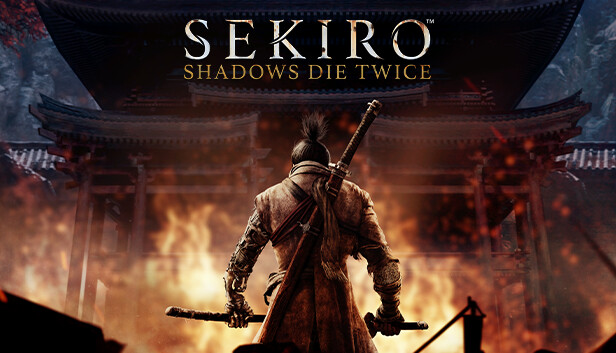
That balance is what makes mastering Sekiro Shadows so satisfying. You are not simply learning how to fight. You are learning when to stay hidden, when to strike, and when to stand your ground in a duel that feels almost surgical in its intensity.
Why Stealth Matters in Sekiro Shadows

Stealth is not just an optional trick in Sekiro Shadows. In many situations, it is the smartest way to control difficulty before a real fight begins. Taking out weaker enemies quietly can reduce pressure and create better conditions for handling stronger targets.
What makes stealth effective in this game is how naturally it fits the level design. Rooftops, ledges, tall grass, and vertical movement all encourage a more deliberate approach.
Key benefits of stealth include:
- Reducing enemy numbers before open combat
- Creating safe openings for deathblows
- Preserving healing resources
- Allowing better positioning before a major encounter
I think many players struggle early because they treat stealth as secondary, when it is often one of the strongest tools available.
Core Combat Skills to Master
Once a fight begins, Sekiro Shadows becomes a test of timing, rhythm, and nerve. The combat system is built around posture, deflection, and pressure rather than passive defense.
Deflection Timing
This is one of the most important mechanics in the game. A well-timed deflection protects you and damages the enemy’s posture. Learning this rhythm changes combat completely.
Posture Pressure
Victory often comes not from draining vitality first, but from breaking posture. Aggression matters here. If you only retreat and defend, many enemies recover too easily.
Mikiri Counter and Perilous Reactions
Danger attacks require specific responses. Thrusts can often be countered with Mikiri, sweeps need jumping reactions, and grabs demand spacing. Recognizing these patterns is essential.
Controlled Aggression
I find this to be one of the hardest lessons in Sekiro Shadows. You need to stay active enough to pressure the enemy, but not so reckless that you lose control of the exchange.
Combining Stealth and Combat Effectively
The most effective play in gengtoto Sekiro Shadows often comes from using stealth and combat together rather than treating them as separate systems.
A strong approach usually looks like this:
- Scout the area from above or from cover.
- Remove isolated enemies silently.
- Use stealth to earn an early deathblow on a stronger target.
- Enter direct combat only when the situation is more manageable.
This method reduces chaos and gives you a tactical edge. It also makes difficult areas feel less overwhelming, which is always a welcome development in a game that enjoys humbling people for sport.
Common Mistakes Players Make
Many early frustrations come from habits that the game quietly punishes.
Dodging Too Much
Players coming from other action games often rely heavily on dodge mechanics. In Sekiro Shadows, deflection is usually more important.
Playing Too Passively
Waiting too long gives enemies space to recover posture and control the pace.
Ignoring Enemy Patterns
Perilous attacks are deadly mainly when players fail to read them. Pattern recognition is not optional here.
Underusing Stealth
Charging into every fight head-on often makes the game harder than it needs to be.
Practical Tips for Improvement
If I were giving the most useful advice for improving in Sekiro Shadows, it would be this:
- Practice deflection instead of panic dodging
- Study enemy attack rhythms carefully
- Use stealth to thin enemy groups before combat
- Learn perilous attack responses early
- Stay aggressive enough to maintain posture pressure
- Treat each defeat as information, not just failure
That last point matters. Progress in this game often looks suspiciously like repeated defeat with slightly better timing.
Final Thoughts
What makes Sekiro Shadows so rewarding is the way it demands mastery through discipline. Stealth gives you control before battle, while combat tests your timing, confidence, and ability to adapt under pressure. Neither system feels complete without the other.
For me, the key to success is understanding that the game is not asking for brute force. It is asking for awareness, rhythm, and intention. Once those pieces begin to click, Sekiro Shadows transforms from punishing to deeply satisfying, and every victory starts to feel truly earned.
Explore our “Gaming” category for more insightful content!
Don't forget to check out our previous article: Worms W.M.D: Tactical Warfare with Cartoonish Worms