Lostworld Ascension: Rediscovering a Forgotten Civilization and Ascending to Its Ancient Throne
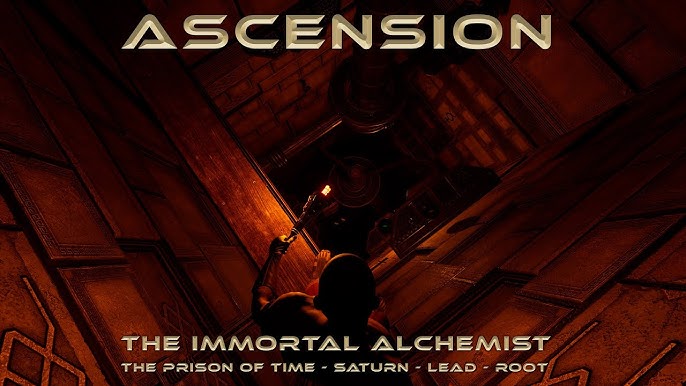
Jakarta, nintendotimes.com – Lostworld Ascension evokes a grand narrative of discovery, legacy, and transformation. The phrase suggests a journey into the ruins of a forgotten civilization, where hidden knowledge, ancient power, and long-buried history converge in a final rise to authority symbolized by an old throne. Whether interpreted as a fictional concept, a fantasy title, a game narrative, or a myth-inspired story world, Lostworld Ascension carries themes of exploration, mystery, destiny, and the reclaiming of something left behind by time.
What makes Lostworld Ascension especially compelling is the fusion of two powerful ideas. The first is the “lost world,” a place separated from modern memory, holding secrets of a vanished people. The second is “ascension,” which implies elevation, awakening, or the claiming of a rightful place of power. Together they create a story framework filled with ruins, symbols, prophecy, forgotten rulers, and the irresistible possibility that the past is not dead at all, merely waiting for someone brave enough to disturb the dust.
What Lostworld Ascension Is
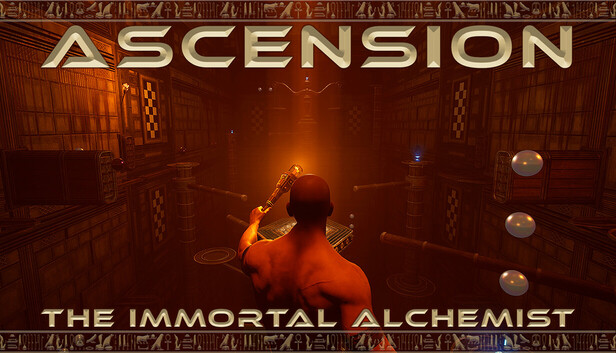
Lostworld Ascension can be understood as a concept or narrative centered on uncovering a forgotten civilization and rising to a position of ancient authority tied to that civilization’s legacy. The title suggests a progression from exploration to revelation to transformation, in which a protagonist, seeker, or chosen figure enters the remnants of a lost world and ultimately claims or inherits its throne.
Common features associated with Lostworld Ascension include:
- A forgotten or hidden civilization
- Ancient ruins and relics
- Themes of destiny and inheritance
- Discovery of lost knowledge
- Mythic or fantasy atmosphere
- A throne as a symbol of authority
- Transformation through revelation
- Conflict between past and present
These features explain why Lostworld Ascension feels rich with epic and symbolic storytelling potential.
Why Lostworld Ascension Matters
Lostworld Ascension matters because it taps into enduring human fascination with hidden history, buried power, and the idea that forgotten worlds still shape the present.
Mystery and Discovery
The lost civilization theme invites exploration and layered revelation.
Mythic Power
Ascension to an ancient throne introduces symbolic authority and destiny.
Narrative Progression
The concept naturally supports a journey from outsider to inheritor.
Cultural Imagination
Forgotten worlds reflect fascination with ruins, legends, and vanished empires.
Emotional Resonance
The rediscovery of something lost often carries themes of identity, purpose, and legacy.
These strengths explain why Lostworld Ascension has strong appeal as a story premise or thematic framework.
Core Characteristics of Lostworld Ascension
Its identity becomes clearer when its main ideas are viewed together.
| Characteristic | Description | Why It Matters |
|---|---|---|
| Lost civilization | A forgotten society hidden by time or catastrophe | Creates mystery and historical depth |
| Ancient throne | A seat of power tied to the old world | Symbolizes legitimacy and transformation |
| Rediscovery arc | The world is gradually uncovered | Drives exploration and suspense |
| Ascension theme | A character rises into a greater role | Adds purpose and dramatic payoff |
| Mythic atmosphere | Ruins, relics, prophecy, and legend shape the setting | Strengthens the epic tone |
Together, these characteristics show why Lostworld Ascension blends adventure, fantasy, and symbolic storytelling so effectively.
How the Story Concept Unfolds
Lostworld Ascension typically suggests a narrative in which a forgotten land is rediscovered through maps, relics, legends, or accidental entry. As the protagonist explores the ruins, they uncover not only the history of the vanished civilization but also a connection between that civilization and their own identity or destiny. The ancient throne then becomes more than an object. It becomes the culmination of a moral, spiritual, or political transformation.
It is especially associated with:
- Fantasy adventure
- Ancient prophecy
- Hidden temples and ruins
- Lost empires
- Symbolic kingship
- Archaeological mystery
- Heroic trials
- World-building and lore
This broad application shows how Lostworld Ascension can function as a rich framework for novels, games, series, or immersive storytelling.
Why It Remains Important
Lostworld Ascension remains important because stories of forgotten civilizations and reclaimed power continue to resonate across genres and eras. They allow audiences to imagine worlds beyond recorded memory while exploring timeless ideas about inheritance, legitimacy, ambition, and renewal. The combination of discovery and ascension gives the concept both intellectual intrigue and emotional momentum.
It continues to stand out because it provides:
- A strong sense of mystery and wonder
- Symbolic depth through the throne and ascension motif
- A compelling exploration-to-revelation structure
- Rich potential for epic world-building
- Timeless themes of legacy and transformation
This is why Lostworld Ascension remains a powerful concept for rediscovering a forgotten civilization and ascending to its ancient throne.
Final Thoughts
Lostworld Ascension captures the dramatic appeal of entering a hidden past and emerging transformed by it. Through ruins, relics, prophecy, and the promise of an ancient throne, it offers a narrative of discovery that becomes a journey of power, identity, and inheritance. It is a concept built for epic storytelling, where the deepest mysteries are not only uncovered, but claimed.
The key takeaway is simple. Lostworld Ascension matters because it turns the rediscovery of a forgotten civilization into a mythic journey toward legacy, revelation, and ancient authority.
Explore our “”Gaming“” category for more insightful content!
Don't forget to check out our previous article: Shadowveil Chronicles: Unraveling the Dark Secrets Behind the World's Most Mysterious Fantasy Saga