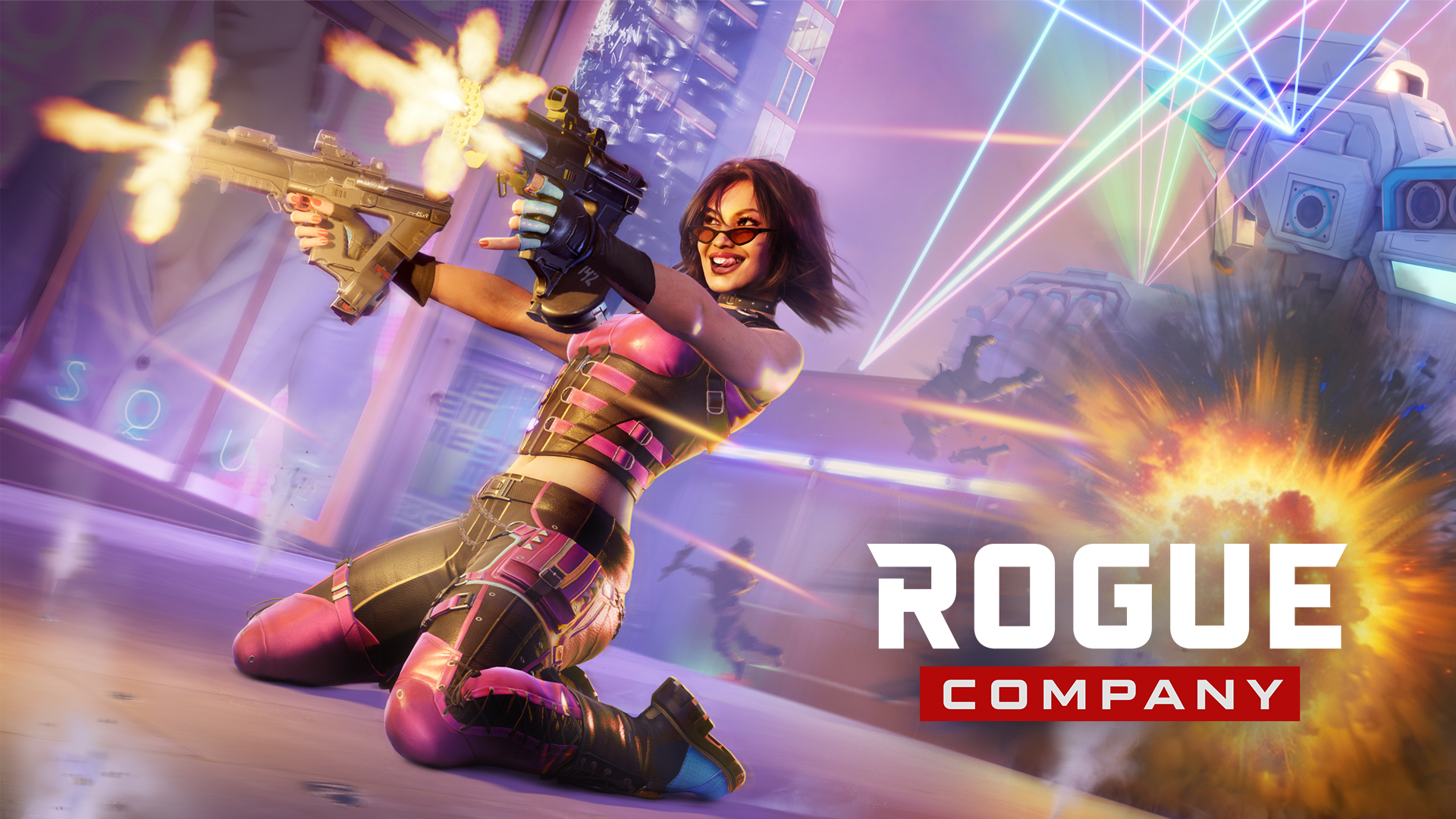
What makes Rogue Company stand out in the multiplayer shooter space is its blend of tactical structure and approachable pacing. It delivers third-person gunplay, hero-based abilities, and team-focused game modes without becoming overly punishing or mechanically overwhelming. That makes it appealing to players who enjoy action but also want room for planning, adaptation, and coordinated execution. In a crowded field of online shooters, Rogue Company succeeds by keeping the formula sharp, direct, and team-driven.
What Rogue Company Is
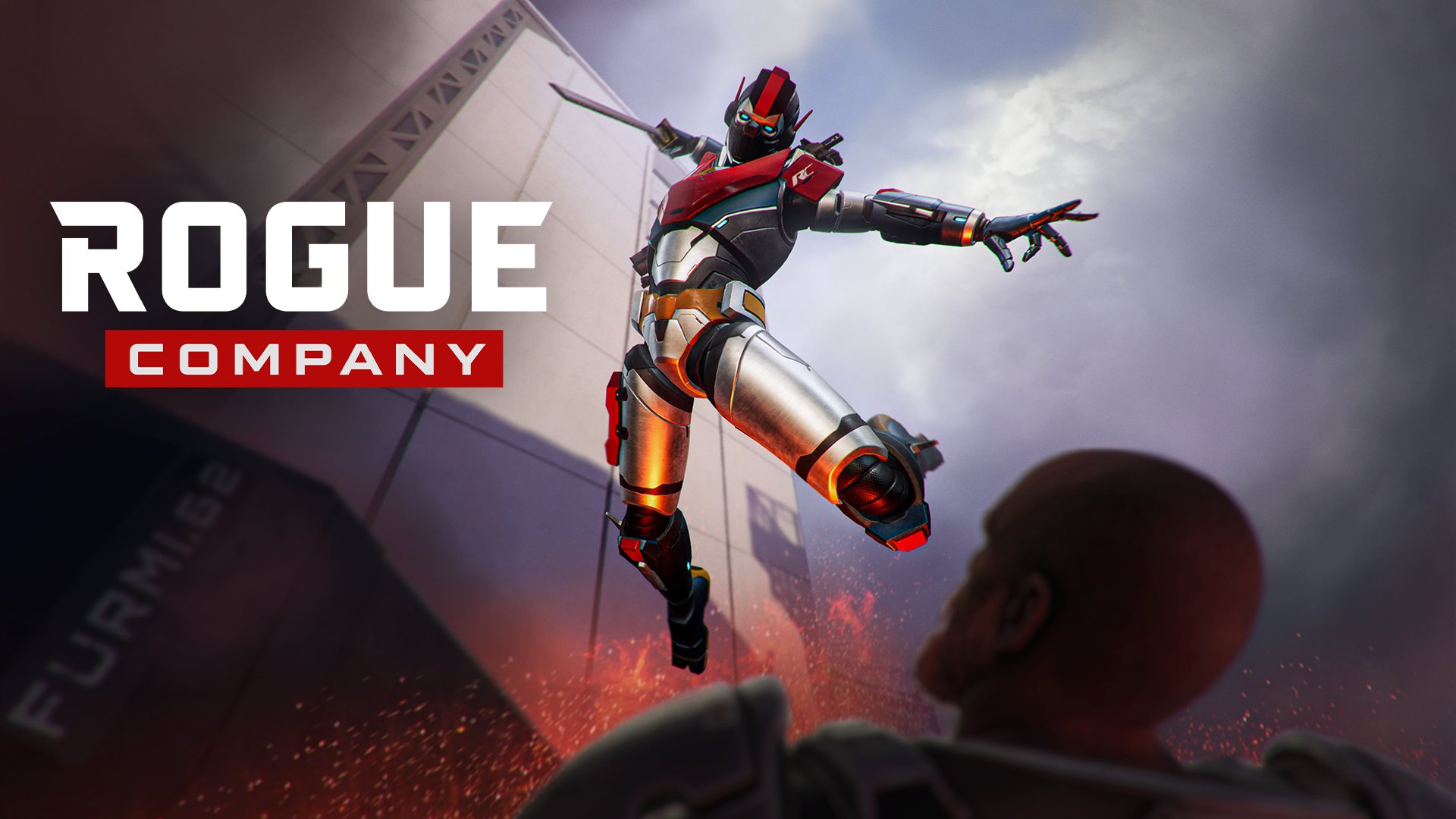
Rogue Company is a tactical multiplayer shooter built around teams of specialized characters, called Rogues, who each bring unique abilities, weapons, and strategic roles into objective-based matches. The game focuses on coordinated combat where positioning, timing, and teamwork can matter just as much as aim.
A typical Rogue Company experience includes:
- Team-based multiplayer matches
- Third-person shooting mechanics
- Distinct playable Rogues with unique traits
- Objective-focused game modes
- Loadout and weapon progression
- Tactical movement, flanking, and team coordination
This structure gives Rogue Company a competitive identity that feels more methodical than purely run-and-gun shooters, while still remaining energetic and accessible.
Why Rogue Company Stands Out
Among multiplayer shooters, Rogue Company stands out because it combines tactical gameplay with a streamlined style that remains easy to understand. It avoids some of the complexity barriers seen in more punishing tactical shooters while still preserving strategic depth.
Team-Based Strategy
Success often depends on communication, coordinated pushes, and role awareness rather than solo aggression alone.
Distinct Rogues
Each character adds strategic variety through unique gadgets, passives, and active abilities.
Third-Person Perspective
The camera angle changes how players approach movement, cover, and situational awareness.
Objective-Oriented Matches
Rogue Company encourages focused teamwork through mission-based or zone-based game goals.
Accessible Tactical Action
The game offers tactical elements without demanding the rigid pacing of more simulation-heavy shooters.
This makes Rogue Company appealing to players who want competition with structure, but who still enjoy a fast and dynamic combat flow.
Core Gameplay Elements
To understand the appeal of Rogue Company, it helps to look at the major gameplay pillars that define the experience.
| Element |
Role in Rogue Company |
Why It Matters |
| Rogues |
Specialized characters with unique abilities |
Add identity and strategic variation |
| Third-Person Combat |
Shapes aiming, cover use, and visibility |
Creates a distinct tactical feel |
| Objectives |
Drive match flow and team priorities |
Encourage coordinated play |
| Loadouts |
Define offensive and utility options |
Support different playstyles |
| Teamwork |
Connects all mechanics into effective strategy |
Determines long-term success |
These systems work together to make Rogue Company feel focused and readable. Players are not just reacting to chaos. They are making decisions within a clearly structured competitive environment.
Tactical Depth and Player Roles
One of the strongest aspects of Rogue Company is the way it gives players meaningful roles without making the experience feel restrictive. Different Rogues can be better suited for offense, defense, intel gathering, disruption, or support. That means team composition and role awareness can shape the outcome of a match before the first firefight even begins.
This tactical depth appears through:
- Coordinated ability usage
- Controlling map angles and sightlines
- Supporting teammates during objective pushes
- Choosing Rogues based on team balance
- Adjusting tactics to enemy behavior
Because of this, Rogue Company rewards players who think beyond simple elimination. Smart utility use, timing, and teamwork often create stronger advantages than raw aggression alone.
Combat Style and Match Flow
The combat in Rogue Company is designed to feel responsive and immediate, but not mindless. Gunfights are important, yet they exist within a larger tactical framework shaped by cover, flanking paths, ability interactions, and objective pressure. The third-person perspective gives players additional environmental awareness, which affects movement and confrontation style.
Its combat identity is shaped by:
- Quick but readable engagements
- Strong importance of positioning
- Tactical use of cover and map routes
- Character abilities that complement gunplay
- A balance between action and planning
This gives matches a rhythm where mechanical skill matters, but so does discipline. Players who rush carelessly can be punished, while players who coordinate effectively can control engagements with greater consistency.
Why Rogue Company Appeals to Players
Rogue Company attracts players because it offers a competitive shooter experience that feels strategic without becoming overly intimidating. It gives players enough character identity and tactical variety to keep matches interesting, while maintaining a format that is relatively easy to follow.
Its appeal comes from the fact that it is:
- Action-oriented but team-focused
- Tactical without excessive complexity
- Built around distinct character abilities
- Readable in structure and match goals
- Flexible for different playstyles
That combination makes it especially attractive to players looking for a multiplayer shooter that values both personal performance and coordinated execution. It is serious enough to reward practice, but approachable enough to avoid feeling like homework with grenades.
Final Thoughts
Rogue Company stands out as a tactical multiplayer shooter that blends third-person action, team coordination, objective-driven gameplay, and character-based strategy into a focused competitive experience. Its design gives players room to succeed through aim, positioning, teamwork, and thoughtful use of unique Rogue abilities.
The key takeaway is simple: Rogue Company works because it delivers tactical multiplayer shooter action in a format that feels sharp, accessible, and strategically rewarding. By combining clear objectives with dynamic team play, it creates a style of shooter experience that remains engaging and distinct.
Explore our “Gaming” category for more insightful content!
Don't forget to check out our previous article: Final Fantasy XVI: A New Chapter in the Epic Saga