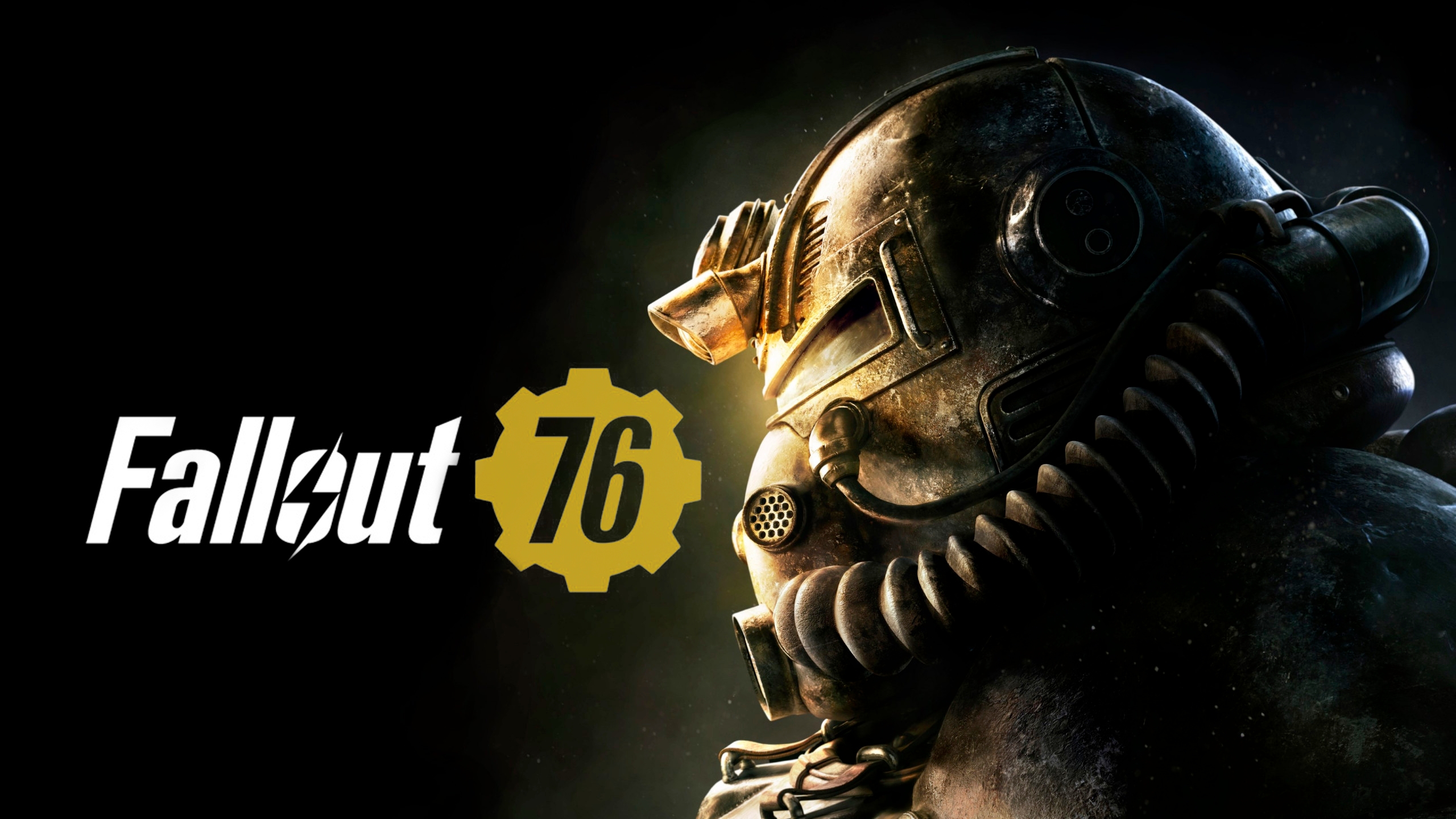
What makes Fallout 76 especially notable is how it combines classic Fallout themes with online systems. The game still features ruined landscapes, mutated creatures, scavenging, faction dynamics, and environmental storytelling, but it adds real-time interaction with other players, base building, and ongoing live-service style updates. That blend of familiar atmosphere and multiplayer survival has helped Fallout 76 carve out a distinct place within the broader Fallout universe.
What Fallout 76 Is
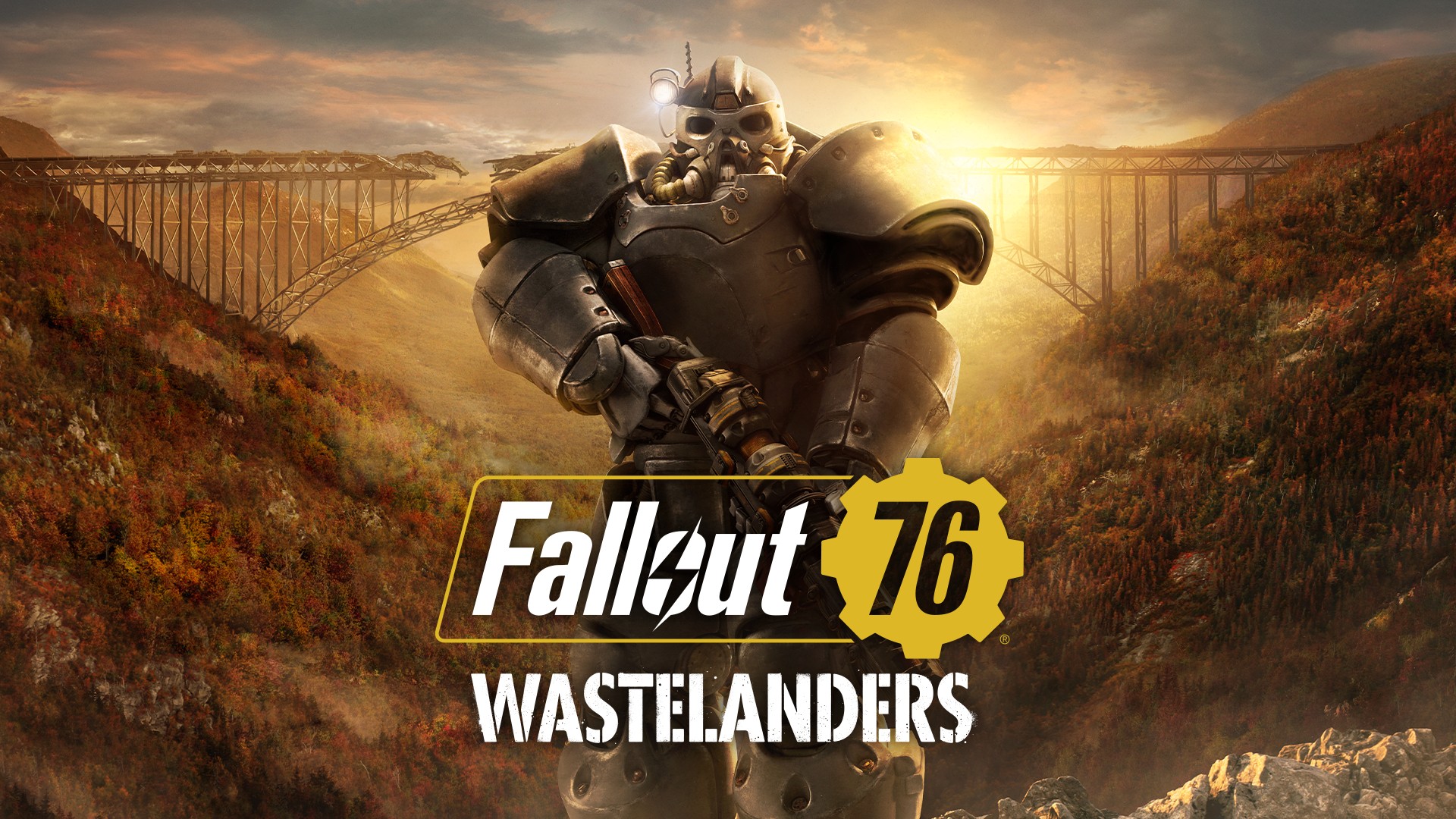
Fallout 76 is an online action role-playing game set in the Fallout universe, where players explore a post-nuclear version of Appalachia after emerging from Vault 76. Unlike earlier mainline entries in the series, the game is built around a shared online world where multiple players can inhabit the same environment at once.
Core elements of Fallout 76 include:
- Open-world exploration
- Online multiplayer interaction
- Survival-oriented mechanics
- Crafting and resource gathering
- Combat against creatures and hostile factions
- Base building through the C.A.M.P. system
- Quests, events, and seasonal content
This structure makes Fallout 76 a distinct entry in the franchise. It keeps the recognizable Fallout setting while shifting the experience toward online progression and shared-world activity.
Why Fallout 76 Stands Out
Among Fallout titles, Fallout 76 stands out because of its multiplayer design and persistent online setting. It offers a different kind of Fallout experience, where survival and exploration are shaped not only by the world itself but also by the presence of other players.
Shared Wasteland Experience
Players explore Appalachia in an online environment where cooperation, trading, and encounters with others are part of the experience.
Survival and Crafting Focus
Managing supplies, equipment, and resources plays a stronger role than in some earlier entries.
Base Building System
The C.A.M.P. feature allows players to build and customize their own portable home base.
Ongoing Content Model
Events, seasonal systems, updates, and expansions help keep the game active over time.
Unique Setting
Appalachia offers a large and visually distinct region within the Fallout universe, with its own atmosphere and environmental identity.
These features give Fallout 76 a gameplay rhythm that differs from the more isolated tone of previous single-player Fallout games.
Core Components of Fallout 76
To better understand the game, it helps to look at the main systems that shape the Fallout 76 experience.
| Component |
Role in the Game |
Why It Matters |
| Exploration |
Encourages players to discover locations, loot, and story elements |
Forms the backbone of the Wasteland experience |
| Combat |
Involves fighting creatures, enemies, and event threats |
Drives action and progression |
| Crafting |
Allows creation and maintenance of gear, supplies, and equipment |
Supports long-term survival |
| C.A.M.P. Building |
Lets players build personal bases |
Adds customization and utility |
| Online Events |
Brings players together for shared objectives |
Strengthens the multiplayer identity |
Together, these systems define how Fallout 76 works as both a survival game and a Fallout title.
Online Survival in Practice
In practice, Fallout 76 asks players to navigate a hazardous world while gathering materials, improving gear, managing threats, and interacting with other players. The online structure creates a dynamic layer where players may team up for large events, trade useful items, visit each other’s camps, or simply cross paths while exploring the map.
A typical gameplay loop may involve:
- Exploring regions of Appalachia
- Collecting resources and crafting materials
- Completing quests or public events
- Fighting hostile creatures and enemies
- Returning to a C.A.M.P. to store, repair, and build
This cycle supports a long-term progression system in which survival, character development, and exploration remain tightly connected. It is the sort of world where every abandoned shack might hold treasure, danger, or a suspiciously enthusiastic mutant.
The Appeal of Appalachia
One of the strongest aspects of Fallout 76 is its setting. Appalachia offers forests, swamps, towns, industrial ruins, mountains, and irradiated zones that create a more varied landscape than some players may expect from a post-apocalyptic game. The environment plays a major role in the game’s identity, shaping exploration and atmosphere.
The setting is appealing because it offers:
- Distinct regional variety
- Strong environmental storytelling
- A large open world to explore
- Familiar Fallout visual themes with a new regional flavor
- Space for both solo wandering and multiplayer activity
This gives Fallout 76 a world that feels expansive and alive in its own strange, damaged way.
Challenges and Reception
Fallout 76 has had a complicated reputation, particularly because of its troubled launch and the expectations surrounding the Fallout name. Early criticism focused on technical issues, design choices, and the absence of traditional NPC-driven storytelling. Over time, however, updates and added content helped reshape parts of the experience and improve player reception.
Common points of discussion include:
- The shift away from fully traditional single-player Fallout design
- Online dependency and shared-world mechanics
- Improvements made through later updates
- Player interest in live-service support and seasonal content
- Ongoing debate about how it fits within the Fallout series
These factors make Fallout 76 a game that is often discussed not only for what it is, but also for how it evolved after release.
Final Thoughts
Fallout 76 stands as a distinctive entry in the Fallout franchise by bringing online survival, multiplayer exploration, and shared-world systems into the post-apocalyptic Wasteland. While it differs significantly from earlier single-player entries, it still carries many of the themes that define Fallout, including scavenging, strange encounters, environmental storytelling, and life after nuclear devastation.
The key takeaway is simple. Fallout 76 matters because it reimagines Fallout as an online survival experience, blending exploration, crafting, base building, and multiplayer interaction within a uniquely dangerous version of Appalachia.
Explore our “Gaming” category for more insightful content!
Don't forget to check out our previous article: Rogue Company: Tactical Multiplayer Shooter Action