Little Nightmares Review: Overcoming Fears in a Dark World
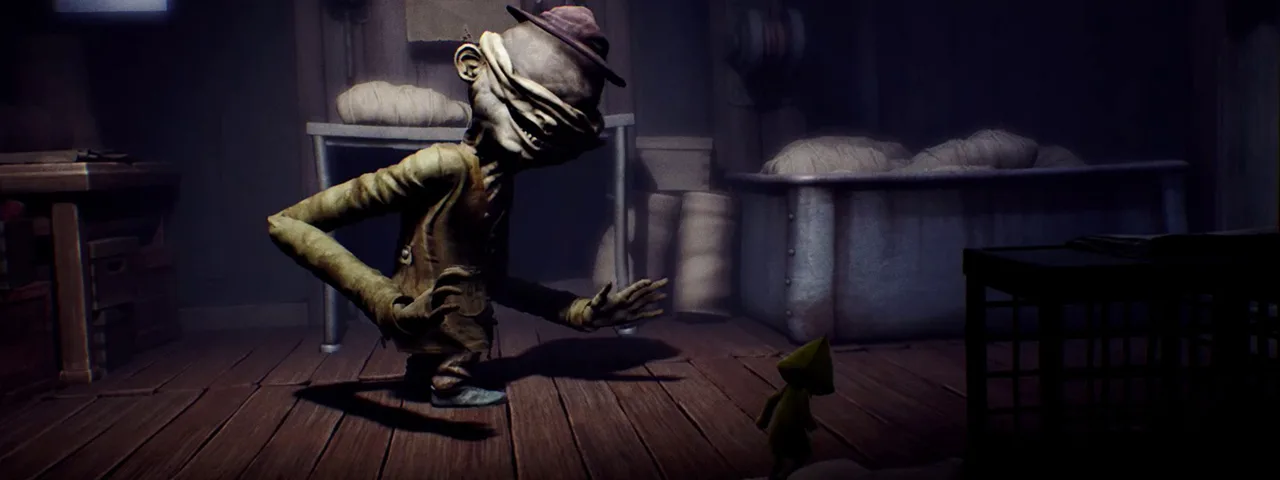
Jakarta, nintendotimes.com – Little Nightmares Review explores a horror puzzle-platformer that turns childhood fear into an eerie and memorable interactive experience. Developed with a striking visual style and minimal dialogue, Little Nightmares places players in a grotesque, oversized world filled with danger, mystery, and unsettling characters. Through its tense atmosphere, environmental storytelling, and carefully paced gameplay, the game creates an experience that feels both intimate and disturbing. It is the kind of game that whispers instead of shouts, which somehow makes it much creepier.
What makes this Little Nightmares Review especially compelling is how the game balances simple mechanics with emotional tension and visual imagination. Rather than relying heavily on combat or exposition, it uses scale, sound design, movement, and pursuit to make players feel vulnerable. The result is a dark adventure that is less about brute survival and more about navigating fear, helplessness, and curiosity through a world that constantly feels wrong in the most deliberate ways.
What Little Nightmares Is
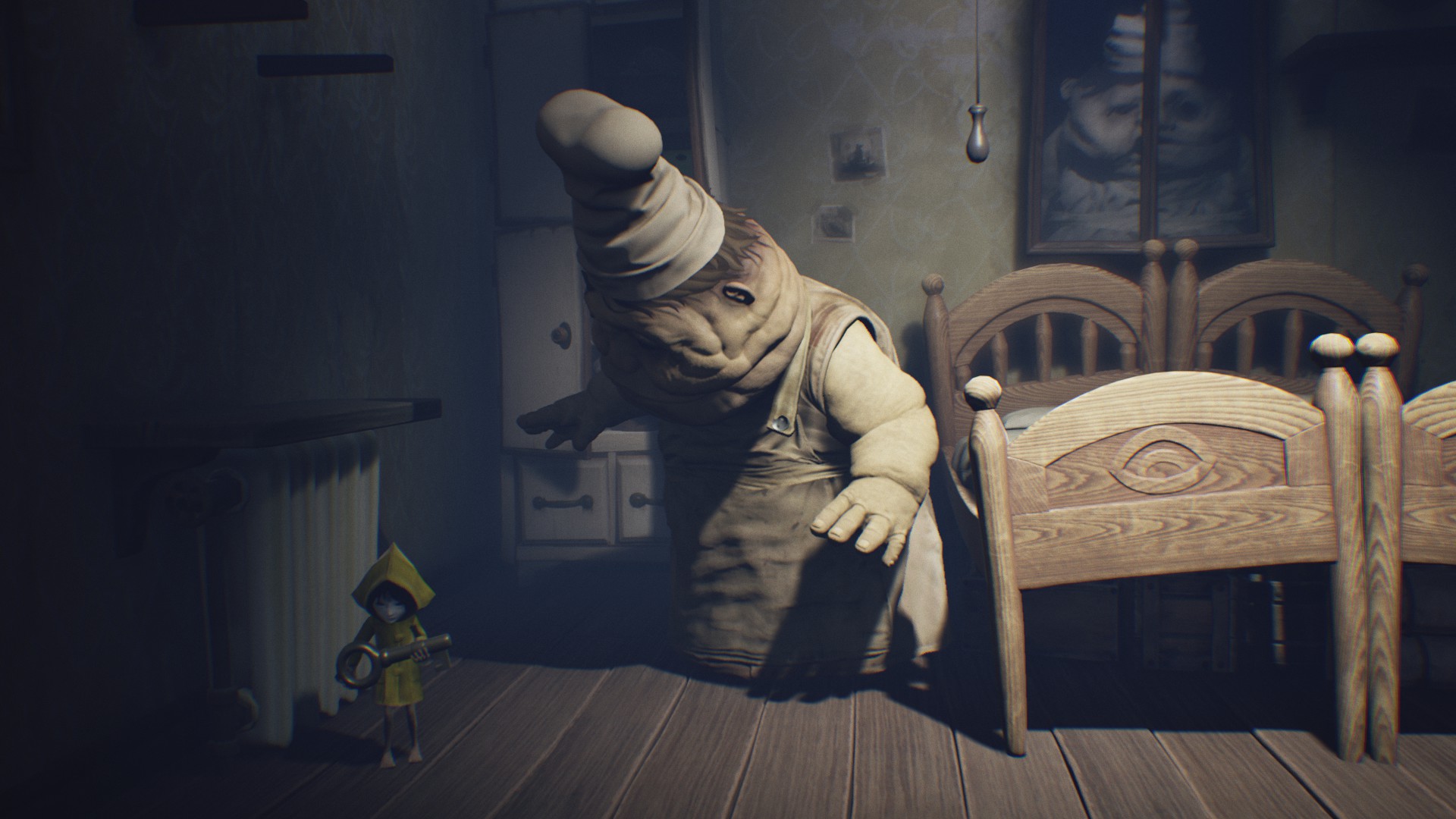
In this Little Nightmares Review, the game can be understood as a cinematic horror puzzle-platformer centered on exploration, evasion, and environmental interaction. Players control a small child named Six as she moves through a hostile place known as the Maw, solving puzzles and avoiding terrifying inhabitants.
Common elements highlighted in a Little Nightmares Review include:
- Side-scrolling puzzle-platform gameplay
- Strong environmental storytelling
- Minimal dialogue
- Distinctive horror art direction
- Tension-driven stealth and evasion
- Symbolic and surreal imagery
- Memorable enemy design
- A dark, oppressive atmosphere
These elements help define the game’s identity and distinguish it from more action-focused horror titles.
Why This Little Nightmares Review Stands Out
A thoughtful Little Nightmares Review matters because the game is not built around traditional horror formulas alone. Its strength lies in presentation, mood, and symbolic unease.
Atmospheric World Design
The environments are richly detailed, disturbing, and visually imaginative.
Emotional Vulnerability
The small size and fragility of the protagonist create persistent tension.
Puzzle and Stealth Balance
Gameplay combines simple environmental puzzles with moments of pursuit and hiding.
Minimalist Storytelling
The narrative is conveyed through implication rather than direct explanation.
Memorable Horror Tone
The game builds dread through sound, scale, and pacing instead of constant shock.
These strengths explain why the game leaves such a strong impression despite its relatively straightforward mechanics.
Core Characteristics in This Little Nightmares Review
Its identity becomes clearer when its defining traits are viewed together.
| Characteristic | Description | Why It Matters |
|---|---|---|
| Visual style | Dark, stylized, grotesque presentation | Creates a unique and haunting identity |
| Environmental storytelling | Story details are revealed through setting and imagery | Deepens mystery and interpretation |
| Vulnerable gameplay | Limited power and mobility increase tension | Reinforces fear and helplessness |
| Puzzle-platforming | Progress depends on timing and interaction | Keeps gameplay engaging without overcomplication |
| Horror atmosphere | Sound and scale create dread throughout | Sustains emotional impact |
Together, these characteristics show why the game succeeds as an atmospheric horror experience.
How Little Nightmares Is Commonly Received
This Little Nightmares Review reflects many of the reasons the game is often appreciated by players who enjoy mood-driven experiences over action-heavy design.
It is especially valued for:
- Its striking visual identity
- Creepy and memorable enemy encounters
- Strong sense of tension
- Clever use of silence and sound
- Symbolic and ambiguous storytelling
- Compact but impactful playtime
Its artistic cohesion gives it a lasting place among modern indie horror titles.
Why It Remains Important
Little Nightmares Review remains relevant because the game continues to be a strong example of how horror can be conveyed through design restraint, visual symbolism, and emotional perspective rather than excessive explanation or constant action.
It continues to stand out because it provides:
- Distinctive horror aesthetics
- Strong atmosphere and immersion
- Simple but effective gameplay
- Interpretive storytelling depth
- A memorable emotional experience
This is why Little Nightmares continues to be discussed as a standout in atmospheric horror gaming.
Final Thoughts
This Little Nightmares Review shows that the game’s greatest strength lies in how it transforms vulnerability, fear, and visual storytelling into a cohesive experience. It may not rely on combat complexity or detailed exposition, but it does not need to. Its unsettling world, carefully crafted tension, and symbolic imagery make it a haunting journey through a dark and distorted environment.
The key takeaway is simple. Little Nightmares Review reveals a horror game that succeeds through atmosphere, design, and emotional tension rather than through spectacle alone.
Explore our “”Gaming“” category for more insightful content!
Don't forget to check out our previous article: Kingdom Hearts III: A Magical Adventure with Disney